A public charger that says connected but not charging is the canonical Bay Area charging failure. The post sees the cable. The cable sees the post. The handshake between the car and the post fails for one of several reasons. The driver sits at the post watching the session never start. Pack state ticks down as the climate control runs. The next post is miles away on US-101 or 880.
This post walks through the fixes that work at the post, the fixes that work from the car, and when to call a local operator for a mobile Level 2 add. The work covers every Bay Area city and community.
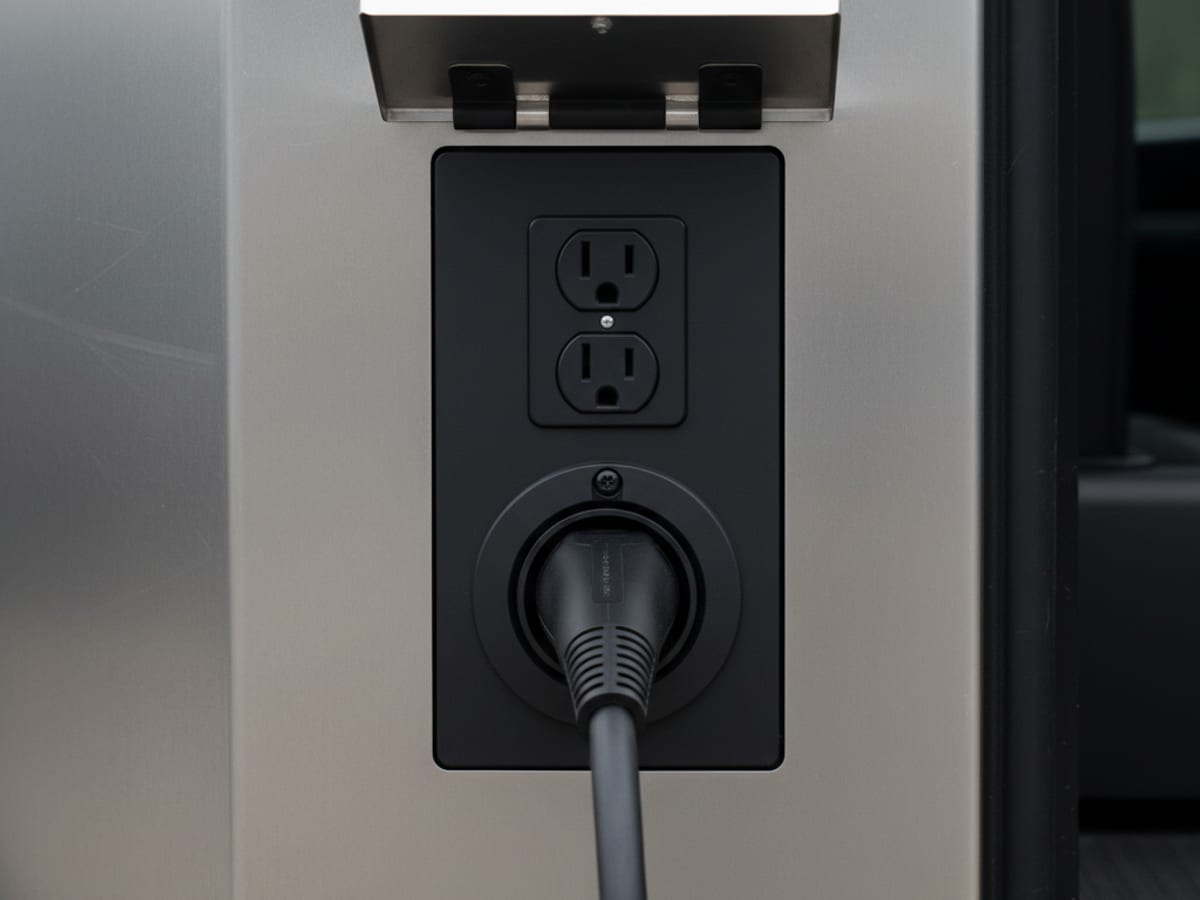
The handshake in plain English
Every public charging session is a handshake. The car sends a signal over the cable that identifies the brand, the pack state, and the maximum power the car can take. The post sends a signal back that confirms it can deliver power at that level. Both sides agree, and electrons flow.
A handshake can fail at any step. The cable can be misaligned in the port. The post can be offline or in fault state. The car can have a software bug that requires a reset. The post can be a model that does not speak the car’s preferred protocol cleanly. The weather can be wet enough that the latch has frozen against the pin.
The dashboard usually shows the failure mode. A “charging fault” message points at the post or the cable. A “vehicle fault” message points at the car. A blank display with the cable still seated points at the post.
The fixes that work at the post
End the session cleanly. Many posts hold the cable locked until the session ends through the post’s screen. End the session on the post, not the car. Then pull the connector.
Try a different stall on the same site. One stall can be down while the rest of the site works. Switch and try again.
Try a different post type. A CCS stall can fail while a CHAdeMO stall works on the same site. A J1772 stall can fail while a CCS works. Switch if your car speaks multiple standards.
Reseat the cable. Lock the car, walk ten paces, walk back, unlock the car, and reseat the connector firmly. The pin alignment matters. A misaligned cable looks connected but does not handshake.
Wait two minutes and retry. Some posts need a cooldown after a hot session. The post’s display will show “available” again when it is ready.
The fixes that work from the car
Lock and unlock the car. The body control module resets the charge port state when the car locks and unlocks. Wait 30 seconds after unlocking before reseating the cable.
Close the charge port door and reopen it. The latch cycle resets on most model years.
Reboot the infotainment. Hold both steering wheel buttons for ten seconds on Tesla. Hold the volume knob for ten seconds on most other brands. The infotainment reset clears most charging faults without affecting the traction pack or the 12V.
If the car has been driven hard before the post, the traction pack may be too hot to take a full session. The post will throttle the session or refuse to start it. Wait 15 minutes and try again.
When the post is genuinely down
Sometimes the post is genuinely down. The screen shows a fault. The cables do not release. The site has a sign on the box saying “out of service.”
Move on. Drive to the next site on your remaining range. If your remaining range cannot reach the next site, the call is a local operator with a 240V Level 2 source.
A mobile Level 2 add at the car adds 10 to 20 miles of range in 15 to 30 minutes of charging time. That is enough driving room to reach the next working post. The pros we connect you with are licensed and insured. They quote before any work starts.
Why Bay Area drivers hit this more than other regions
The Bay Area has a high EV density and a moderate public post density. Posts in Daly City, San Bruno, and San Mateo see long dwell and weather exposure. Posts in San Jose and Santa Clara see heavy rotation in commercial lots. The combination of weather and rotation stresses the handshake.
Atmospheric-river rain spikes post failures across the South Bay. A wet morning means a handshake that worked yesterday may not work today. The driver returns to the car to find a fault message and no electrons flowing.
Coastal fog adds a different layer. The salt air accelerates corrosion on the connector pins. A driver who charges at the same post every week may find the third charge is the one that fails.
Inland heat at Brentwood and Antioch adds another layer. The post may throttle to protect itself when the temperature inside the cabinet climbs. A driver who arrives at 3 PM sees a post that worked at 9 AM but now refuses a session.
What to do before you arrive at a post
Check the app. ChargePoint, EVgo, Electrify America, and Tesla all show real-time stall status on their apps. A driver who checks the app before driving to the site avoids a wasted trip.
Check the route. The next site may be one exit away or one street away. The Bay Area network is dense enough that a working post is rarely more than a few exits away on US-101 or I-880.
Check the pack state. If you have less than 20 percent on the gauge and the next site is more than 10 miles away, the call may be a local operator before you leave the current site.
When the call is a local operator
A local operator is the right call when the post is down, your pack is too low to reach the next site, and the site is not coming back online. The operator brings a 240V Level 2 source to the car. A typical session adds 10 to 20 miles.
A local operator is also the right call when the cable will not release from the car. A frozen latch or a low 12V can hold the cable. The operator jumps the 12V first, then the cable releases cleanly.
A local operator is also the right call when you would rather wait at the curb than wait at the post. A mobile charge at the car is faster than a tow to a working charger.
FAQ
Why does my public charger say connected but not charging?
The handshake between the car and the post failed. The most common cause is a misaligned cable, a wet or frozen latch, or a post in fault state.
How do I reset a failed charging session?
End the session on the post’s screen, lock and unlock the car, wait 30 seconds, and reseat the connector firmly. That clears most failures.
What if the cable will not release?
Use the manual release tab in the trunk area. If the manual release does not work, the 12V is dead. A local operator jumps the 12V first, then the cable releases.
What if the post is genuinely down?
Move on. Drive to the next site on your remaining range. If you cannot reach the next site, call a local operator for a mobile Level 2 add.
Can a roadside operator add range at the post site?
Yes. The operator arrives at the post site, adds 10 to 20 miles of range with a 240V source, and you drive away. Charging time is 15 to 30 minutes.
Call (415) 630-6268 when the post is down and your pack is too low to reach the next site. The operator quotes a 240V add at the car. Nobody on this line promises an arrival clock.